🚫Don’t Ignore Your Pelvic Floor: Your FAQs, Answered✅
Kalah Hardt2026-05-04T18:37:32+00:00The pelvic floor is an essential part of your body’s everyday function. As the base of the abdomen, it holds your internal organs in place and prevents prolapse. It assists with all bowel, bladder, and reproductive function. Many factors can cause dysfunction in the pelvic floor leading to pain, bowel and bladder incontinence, constipation, sexual dysfunction, and instability. Whether you’re male, female, nonbinary, young or old, pregnant, postpartum, or not, you can benefit from strengthening your pelvic floor!
What is your pelvic floor?
Your pelvic floor is a group of muscles, nerves, and connective tissues that sit at the base of your pelvis. They hold your internal organs in place and allow for proper function of the bowel, bladder, and reproductive organs.
These muscles play a role in everyday functions such as:
- Bowel and bladder continence
- Core stability
- Sexual function
- Supporting your organs
When your pelvic floor is too weak, too tight, or uncoordinated, it can lead to pain and dysfunction in any or all of the surrounding structures.
When your pelvic floor is well-functioning, it contracts and relaxes to aid in movement and function. It assists the muscles of your back, hips, and pelvis to provide you the stability you need for everyday movement. Which is why when you’re experiencing issues with your pelvic floor, you may experience pain or discomfort in your low back or hips, and vice-versa.
What is involved in pelvic floor PT?
During pelvic floor physical therapy, we work to improve how these muscles function. Treatment may include exercises to strengthen or relax the pelvic floor, breathing and coordination work, core strengthening, and manual therapy. Just like any other type of physical therapy this could include addressing range of motion restrictions, strengthening, flexibility, and instability in your hips and lower back.
There’s no one size fits all approach with pelvic floor PT. We will work to not only give you exercises and techniques to help improve your symptoms, but also lifestyle and habit education for you to build on.
What should I expect at my first appointment?
We always start pelvic floor physical therapy with a conversation. This is your time to explain to your therapist your story and your needs. Depending on those needs, you and your physical therapist will create a plan for the exam depending on your level of comfort. Pelvic floor testing involves more than looking at a select few muscles. We will assess the movement of the hips, back, pelvis, and abdomen in addition to the pelvic floor itself. This can take time and sometimes more than just one session. We encourage patients to wear comfortable clothing that you can move around in without restricting movement of your back, hips, and pelvis.
Is an internal assessment mandatory to get pelvic floor physical therapy?
No! Pelvic floor physical therapy depends entirely on you and your comfort level. Your consent is an essential part of your treatment. We will never ask you to do anything that you are uncomfortable doing. At your initial evaluation, you will have the option of doing a clothed external exam, an unclothed external exam, or an internal exam. You can withdraw consent at any time to terminate an exam should you change your mind. We encourage patients to be open with their physical therapist about any past trauma that may impact their ability to participate in their care plan so that we can make appropriate accommodations. Simply sitting down and speaking to a pelvic floor specialist about your symptoms is a great place to start!
Who should get pelvic floor PT?
Pelvic floor PT helps a wide range of individuals. People who it may help include those who are:
- Experiencing urinary issues such as leakage, urgency, or pain
- Having pelvic pain or pressure
- Pregnant or postpartum
- Recovering from surgeries including:
- Prolapse repair
- Gender affirming surgeries
- Prostatectomy
- Cesarean section
- Experiencing pain during sex
- Noticing core or hip instability
Why should you get pelvic floor PT?
You may think your symptoms are just something you deal with. But they are more common than you think and they are treatable! This specialized PT can help you get back to living your life comfortably and confidently by:
- Reducing or eliminating pain or discomfort
- Improving bladder and bowel control
- Supporting pregnancy or postpartum recovery
- Improving core strength and stability
- Enhancing sexual health
If you have additional questions regarding pelvic floor physical therapy, or are interested in scheduling an appointment, reach out to our office and we can help! These symptoms are not something you have to deal with daily, strengthen your pelvic floor and get back to living comfortably.

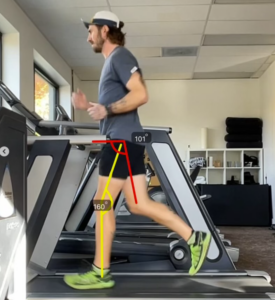 Running, much like any other skill, takes practice and fine-tuning to improve. Whether you’re lacing up for the first time or you’re a seasoned marathoner, leveling up your performance can be challenging. That’s where a Running Analysis can be a game-changer. Not only can it help increase your performance, it can also help reduce the risk of injury, eliminate pain while running, and optimize your stride!
 The heat gets your heart pumping faster and helps your blood flow better, making it easier for your body to carry oxygen to your muscles. Some people even notice their blood pressure gets lower after using a sauna regularly.
 With the new year approaching, many of us are setting goals for personal and professional growth. While working to achieve these goals, it’s important that we remember to prioritize the our bodies, the machines that keep our lives running! Physical therapy can play an essential role in strengthening our resolutions for a healthier, active lifestyle. This new year, let’s not let our injuries limit us from achieving our health and wellness goals. Check out some ways that physical therapy can be beneficial for you when working to become your healthiest ‘elf’!
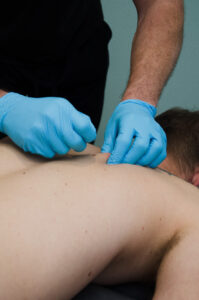 Here at IP, dry needling is a frequently utilized treatment that contributes to a comprehensive, personalized treatment plan. There are some great benefits to dry needling that include, but are not limited to, quick pain relief, improving range of motion, achieving a quicker path to recovery and more! Dry needling is also called trigger point dry needling or myofascial trigger point dry needling. The word “myofascial” is made up of the roots “
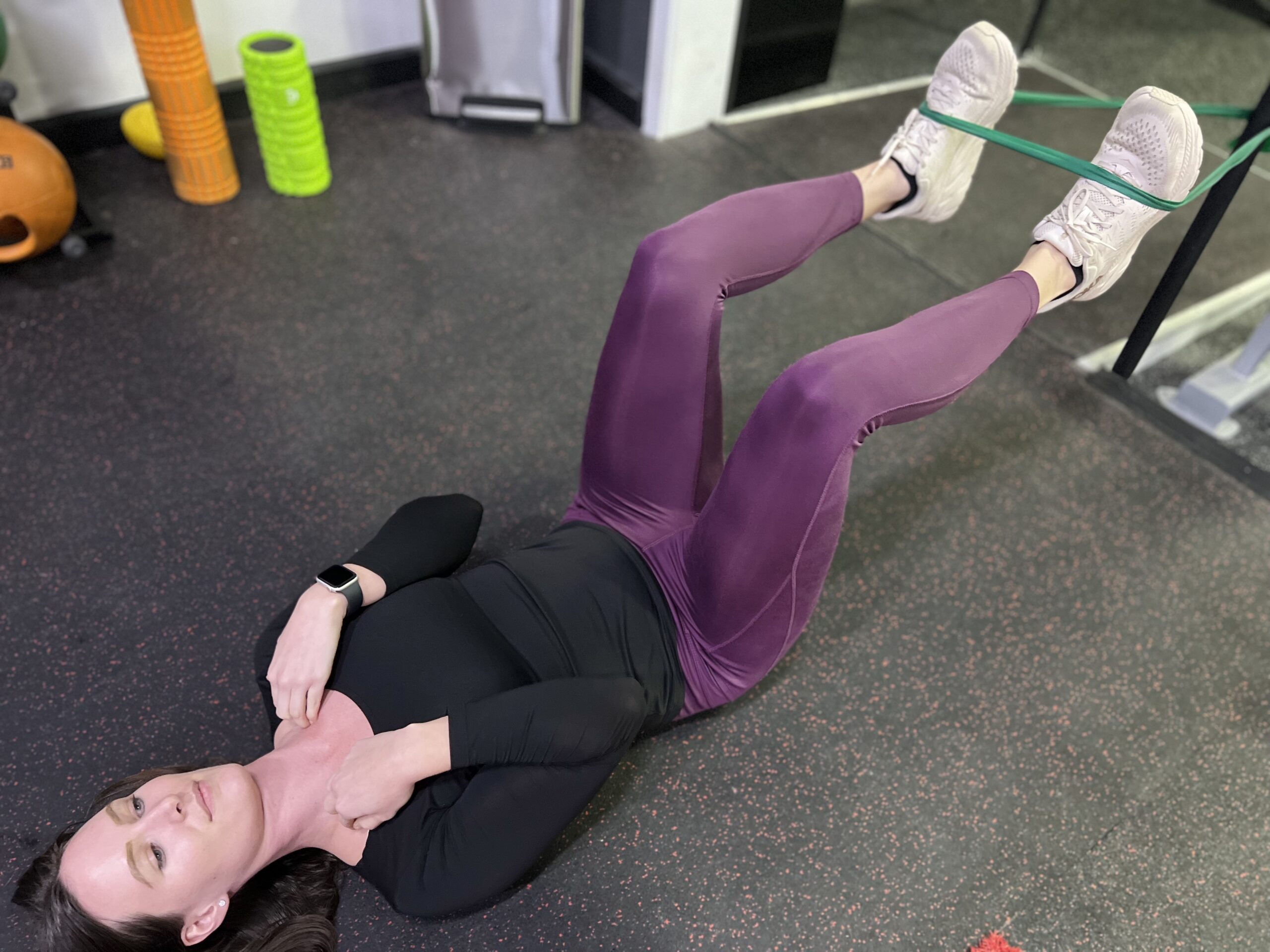
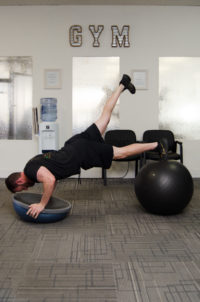 surgery [surgery is a top one] but PRP, marathon/military training or even activities of daily living are included. Prehab differs from rehab in that it is a proactive plan designed to prepare you for whatever life brings at you next. Here at IP, you know we love pumpin’ prevention to help patients optimize their potential!
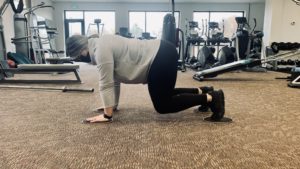 Exercise of the Month – Bear Crawl [into hibernation]