❄️Cold Weather, 💪🏻Warm Muscles: 10 Simple Ways to Stay Active All Winter Long

2026-01-14T17:37:33+00:00

When the days get colder and the weather isn’t always sunny, it’s easy to see our activity levels change. Staying active during the winter is one of the best things you can do, not only for your physical health, but your mental health too! Regular movement maintains strength, mobility, heart health, immune function, and countless other health benefits. Need some ideas for practical ways to stay active all winter long? We’ve got you covered!

1. Your HEP (home exercise program)

You probably knew this was going to be our first suggestion. Whether you’re currently in physical therapy or have recently graduated and are working to keep up with your exercises, your HEP was made specifically for your goals, your body, and your injury.

Tip: Try pairing your exercise with a daily habit like during commercial breaks or while waiting for meals to cook.

2. Go for a walk

We are lucky to live in Colorado, where we have many sunny winter days. Dress in layers, wear supportive shoes,

 be mindful of icy sidewalks, and get outside! For the days the weather isn’t as nice, you can find an indoor track, walk the mall, or use a treadmill. 

Tip: You don’t have to get fancy to get your steps in. Put on music or a podcast and walk the hallway in your home!

3. Have some fun with winter activities

Cold weather does not stop fun! Colorado offers countless winter sports, including:

  • Skiing or snowboarding
  • Snowshoeing
  • Sledding
  • Ice skating
  • Winter hiking

4. Visit a gym or rec center

Find a local gym that offers group exercise classes, a swimming pool, or a court for pickleball, basketball, racquetball, etc. Finding a community to be active with can help keep you accountable and make movement even more fun!

Tip: Looking for a less crowded gym that you’re already familiar with? Our clinic offers monthly gym memberships that allow you to come workout during clinic hours!

5. Turn household chores into movement

Everyday activities count as activity. Two birds, one stone! Winter is a great time for:

  • Vacuuming and sweeping
  • Scrubbing floors or walls
  • Organizing and decluttering closets
  • Snow shoveling

6. Stairs

Stair climbing is a great way to build cardiovascular fitness and strengthen your lower body. No equipment required! Climb the steps in your home, try step ups on a low step, or find a set of stairs on your neighborhood walk.

7. Dance it out!

Put on your favorite playlist and get your groove on! If you’re looking for a little guidance, try an online dance workout. Not only is dancing a powerful mood booster, it also improves cardiovascular fitness, balance and coordination.

Tip: If high impact moves bother your joints, try slower styles, beginner tutorials, or seated dance movements.

8. Try online workout videos

You don’t need a lot of space and equipment to get a good workout in. Youtube has countless options such as:

  • Yoga
  • Pilates
  • Stretching
  • Body weight strength circuits
  • Dance workouts

9. Movement snacks

Instead of one long workout, sprinkle short bursts of activity throughout your day—a  couple squats every hour, standing during phone calls, or walking during commercials. For some more ideas on movement snacks, check out our Movement Snacks blog!

10. Focus on mobility

Colder weather can make your body feel stiffer. A short daily mobility routine can:

  • Reduce pain and tightness
  • Improve posture
  • Support balance
  • Make moving around easier

Tip: Add the routine at the start of the day or before bedtime! Even 5-10 minutes makes a difference. 

Getting in daily movement doesn’t have to be complicated! Start gradually, listen to your body, and talk with your PT before starting something new if you have injuries or medical concerns. Keep moving your mind and minding your movement all winter long!
❄️Cold Weather, 💪🏻Warm Muscles: 10 Simple Ways to Stay Active All Winter Long2026-01-14T17:37:33+00:00

The Sunshine Secret: Why Vitamin D Matters for Muscles☀️💪

2025-06-27T16:34:27+00:00

It’s not uncommon to start paying attention to vitamins and supplements when we’re in pain, injured, or sick, but proactive care can support better outcomes before you reach that point! While low vitamin D levels does not equal poor muscle health, maintaining healthy levels can be an important part of the formula for not only sports nutrition, but also healthy aging!

When it comes to bone health and sports injury, we hear a lot about calcium, but the real star might be vitamin D, which also contributes to muscle strength, injury recovery, and immunity. From athletes rehabbing an injury or overtraining, to aging adults striving for a healthy lifestyle – Vitamin D could be a missing link in your rehab and performance journey.

💪 Vitamin D and Muscle Function

Your muscles perform their best when they’re properly supported at the cellular level. While low Vitamin D doesn’t mean poor muscle health, it can quietly set the stage for reduced muscle efficiency. Vitamin D supports your muscles by: 

  • Supporting muscle contraction by aiding calcium transport and increasing calcium-binding sites in muscle tissue. 
  • Preserving muscle mass with aging to help reduce the risk of falls. 
  • Boosting muscle performance such as grip strength, speed, and power. 
  • Improving VO₂ max, a marker of cardiovascular and muscular endurance.

🦴 Injury Recovery: More Than Rest and Rehab

Vitamin D works alongside calcium to support bone remodeling and repair, which is vital in healing stress fractures and breaks. When vitamin D levels are in the optimal range, people often experience:

  • Faster healing from injuries like muscle tears, stress fractures, and tendon strain.
  • Less inflammation, which promotes a smoother recovery process. 
  • Better pain management, thanks to vitamin D’s anti-inflammatory and antioxidant properties.

🛡️ Immunity, Overtraining, and Inflammation

Physical stress—whether from injury, surgery, or intense training—can take a toll on your immune system. Low vitamin D levels have been linked to:

  • Higher inflammation
  • Weakened Immunity 
  • Greater fatigue and delayed recovery

Vitamin D helps regulate your immune response and reduces the inflammatory state that often accompanies overtraining or injury. It won’t replace sleep, hydration, or good nutrition—but it plays a vital supporting role. 

⚠️ Don’t Just Pop a Pill: Get Tested First

After reading through this information, you may be tempted to just add in a vitamin D supplement, but too much can be harmful! Talk to your doctor and get your levels tested to understand whether supplementing with Vitamin D is right for you. 

Common symptoms of Vitamin D deficiency:

  • Fatigue
  • Muscle and bone pain
  • Muscle weakness or cramps
  • Mood changes 

Common causes of Vitamin D deficiency:

  • Not getting enough vitamin D in your diet
  • Not getting enough sunlight
  • Your body isn’t absorbing vitamin D properly
  • High physical stress or chronic pain

Where Can You Get Vitamin D?

  • Sunlight (requirements different for everyone depending on skins tone and location)
  • Foods (salmon, egg yolks, fortified dairy products)
  • Supplement recommended by your healthcare provider

Final Thoughts

Vitamin D isn’t a magic fix, but it is an important part of the puzzle! Whether your goal is strength, healing or resilience, it’s worth checking your vitamin D levels as an important part of your overall recovery and wellness.

The Sunshine Secret: Why Vitamin D Matters for Muscles☀️💪2025-06-27T16:34:27+00:00

Run Smarter. Run Stronger.

2025-04-04T20:56:29+00:00

Running, much like any other skill, takes practice and fine-tuning to improve. Whether you’re lacing up for the first time or you’re a seasoned marathoner, leveling up your performance can be challenging. That’s where a Running Analysis can be a game-changer. Not only can it help increase your performance, it can also help reduce the risk of injury, eliminate pain while running, and optimize your stride!

What is a Running Analysis?
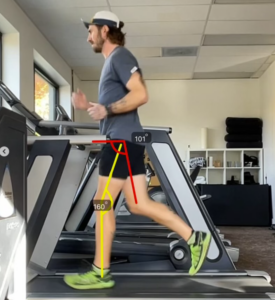
A Running Analysis + Assessment is a two-part approach designed to identify imbalances, weaknesses and areas you may be expending unnecessary energy. Using advanced video technology, we analyze your stride from head to toe, identifying potential issues such as over-striding, knee collapsing, and other imbalances.
So, what are we looking at? The analysis evaluates running mechanics such as:

  • Foot strike pattern: How and where your foot makes contact with the ground
  • Stride length: The distance covered with each step
  • Posture: head/thorax/hip alignment, shoulder symmetry, pelvic tilt, hip position, etc.
  • Cadence: The number of steps per minute

What is the Assessment?
Following the Running Analysis, we conduct the assessment, which goes through a series of tests to examine your strength, stability, and muscle symmetry. We then provide corrective exercises to help balance your strength and enhance your running mechanics.

Is a Running Analysis for me?
The goal of a running analysis is simple: to make you a more efficient, resilient runner. By cleaning up your form, you’ll find yourself feeling good running longer, faster, and stronger- all while reducing your risk of injury!

Your running form is unique to your body. What works for one runner may lead to injury for another. An personalized running analysis ensures that your technique is tailored to your body’s biomechanics, helping you reach optimal performance. By working with our IP therapist/Run Coach, you’ll receive tailored, evidence-based functional tools to mind your movement and a team to support you as you stride!

Run Smarter. Run Stronger.2025-04-04T20:56:29+00:00

Better Healing, Better Health: 8 Sauna Benefits for a Wellness Boost

2025-04-01T21:52:21+00:00

Instead of heating the air, infrared sauna’s use near infrared (NIR) lightwaves to heat your body from the inside. The light rays are like keys that unlock countless health benefits! Check out some of the benefits our sauna can provide for your health, wellness, and recovery journey:

💝Heart Health

Just like exercising any other muscle, using an infrared sauna makes your heart stronger! The heat gets your heart pumping faster and helps your blood flow better, making it easier for your body to carry oxygen to your muscles. Some people even notice their blood pressure gets lower after using a sauna regularly.
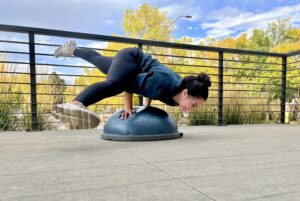
💪Stronger Immune System

When your body gets warmer, it wakes up your immune system. This helps fight off illnesses and infections by stopping the virus growth and reducing inflammatory proteins in your body. 

💦Detox Your Body

Sweating in the sauna gets rid of toxins in the body and supports your body’s natural detox work of the liver, kidneys, lungs, and skin.

⚖️Weight Loss

Infrared saunas give your body a “passive workout” by increasing your heart rate. This can increase your metabolism and lower stress levels, which can be a helpful weight management strategy. It can also help release toxins stored in your fat tissues that could be preventing weight loss. 

🏋️Faster Muscle Recovery

Heat is a known treatment for recovery and temporary pain relief. It increases blood flow and circulation, which is important for healing. With better blood flow, oxygen and nutrients are delivered quicker to your muscles, helping support a faster recovery.

💤Better Sleep

While scientists are still studying it, people who use saunas say it helps them sleep better. With an increase in detox pathways, blood circulation and recovery, your body works better, and a healthy body means better rest!

🌟Glowing Skin

Infrared saunas can help your skin look younger by reducing wrinkles and scars, and improving softness and tone. The light rays boost collagen and elastin, which can not only keep your skin smooth and firm, but also promote skin growth and health. 

😌Relaxation

Stress can impact your mind and body in many negative ways. The warmth of the sauna helps your muscles relax and relieves stress, making you feel calm and refreshed!

Infrared saunas are not a fix all, but by using one in addition to your diet and exercise routine, it is a simple and relaxing way to help your body and mind feel their best!

Better Healing, Better Health: 8 Sauna Benefits for a Wellness Boost2025-04-01T21:52:21+00:00

Stronger Body, Stronger Mind: Why Physical Therapy Isn’t Just for the Body

2024-10-09T22:45:30+00:00

Being ‘healthy’ is more than just avoiding illness or eating fruits and veggies every day. It’s about maintaining balance in your physical, mental and social well-being. While you may begin physical therapy with the goal of reducing pain or healing an injury, PT can also provide significant benefits for your mental health.
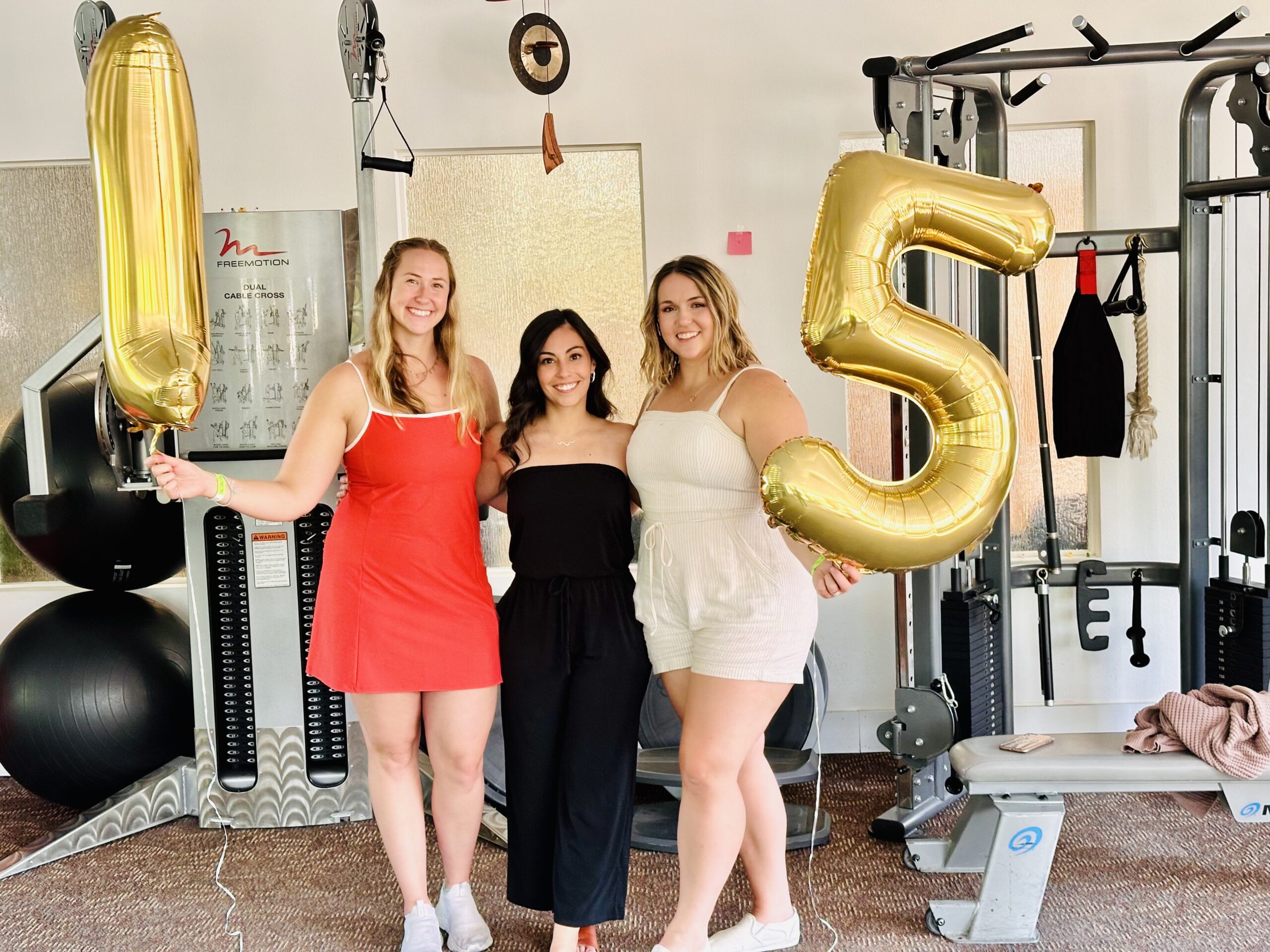
It’s not uncommon with chronic pain or physical limitations to experience mental health struggles such as depression, anxiety or sleep disorders. Being restricted by pain or feeling frustrated because you’re unable to participate in the activities you love, limits your stress outlets and takes a toll on your emotional state. When your therapist creates your treatment plan, they consider both the physical and mental aspects of your health.

We know exercise enhances mood, concentration and alertness. However, when you are restricted or injured and can’t do activities you normally do, much less things you enjoy, it’s easy to question what to do safely. The exercises your therapist designs for you are specifically tailored to your body to strengthen your muscles, increase mobility and reduce your pain. Learning how to move your body in a way that promotes healing and builds confidence in performing activities safely, goes a long way for your emotional well-being! Having a supportive team of people dedicated to enhancing your health increases adherence with a plan of care, gives you resources to turn to with questions and cheers you on in the road to recovery. A byproduct of reducing your pain – you’ll experience lower stress levels and emotional relief, leaving you feeling calm and capable.

While the overall goal of PT is to improve your physical function, we are ultimately working to improve your quality of life!  Strengthening your body will strengthen your mind, helping you build confidence, independence, and resilience. Dealing with chronic pain or an injury can be mentally exhausting, but it doesn’t have to control your life.

Move your mind. Mind your movement.

Stronger Body, Stronger Mind: Why Physical Therapy Isn’t Just for the Body2024-10-09T22:45:30+00:00

Celebrating 15 Years of IP

2024-09-16T19:06:46+00:00

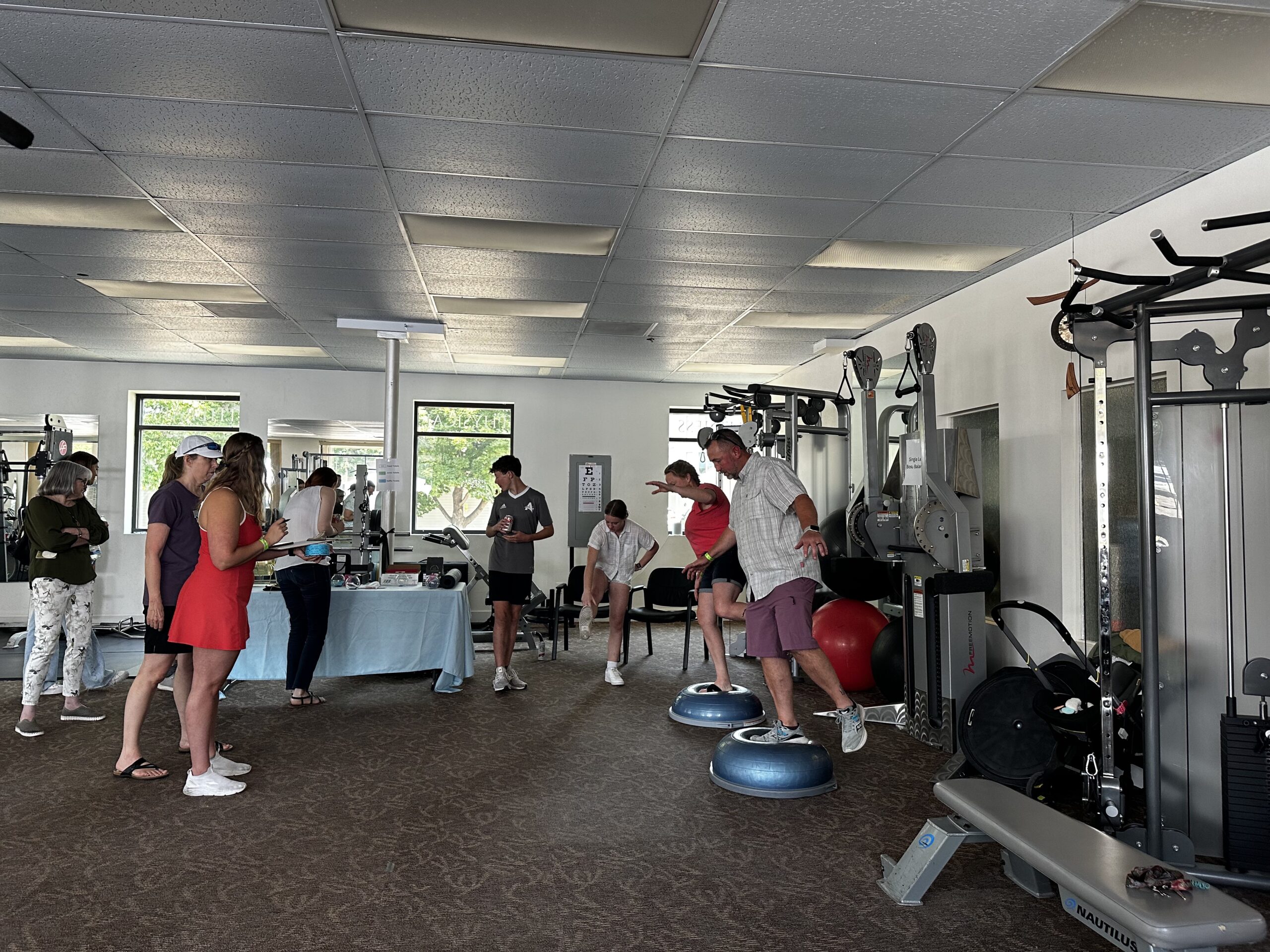
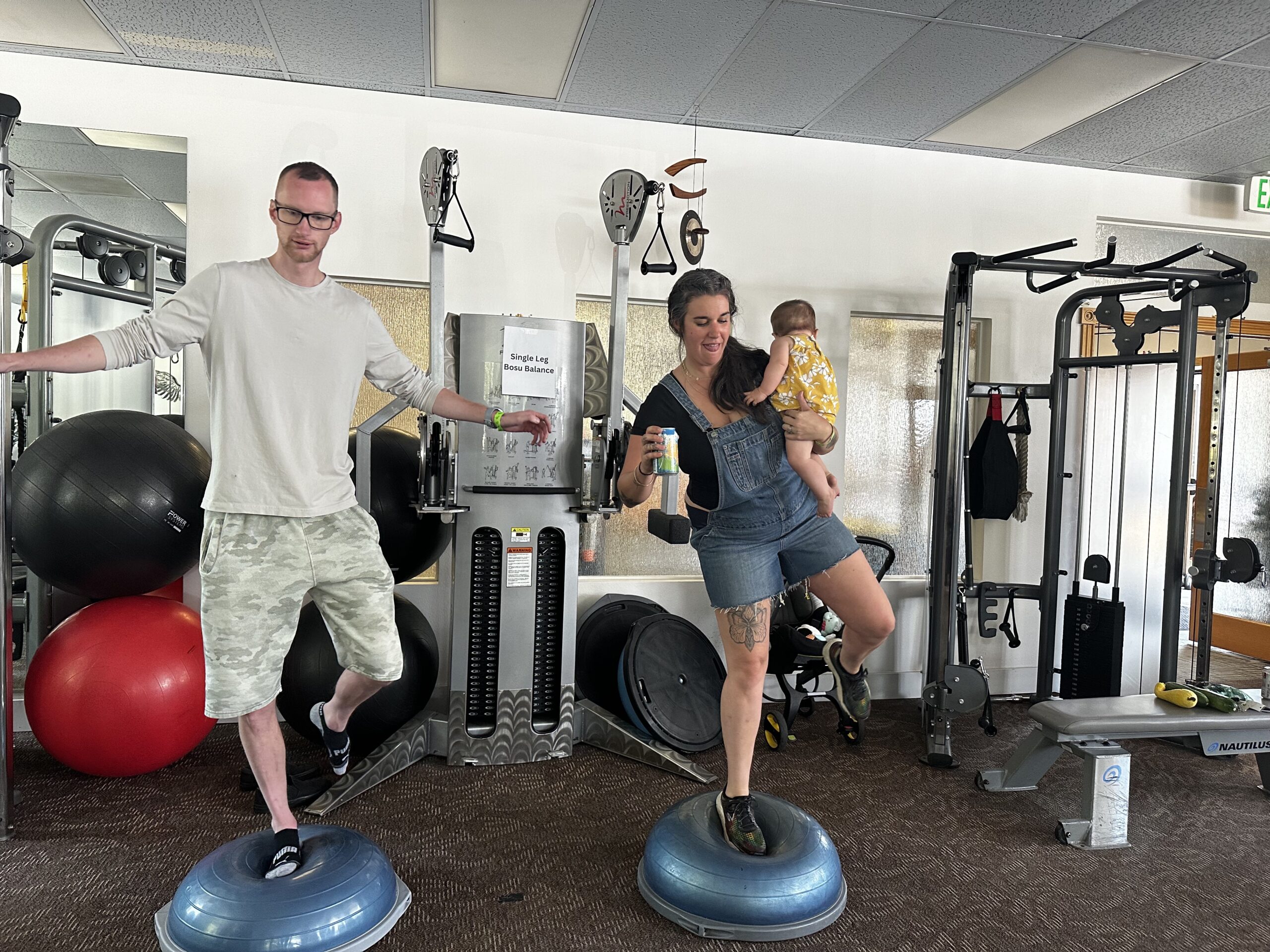
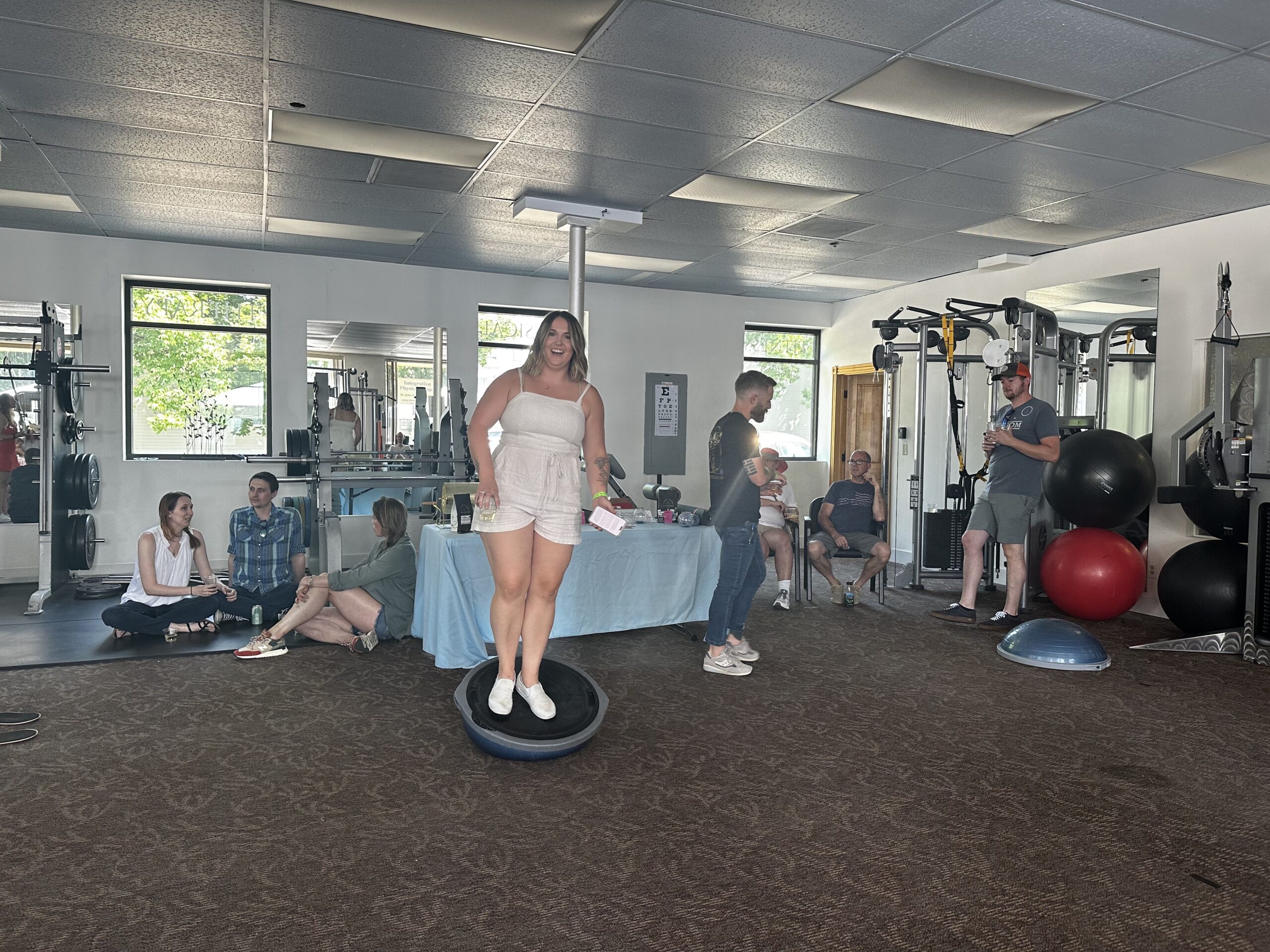
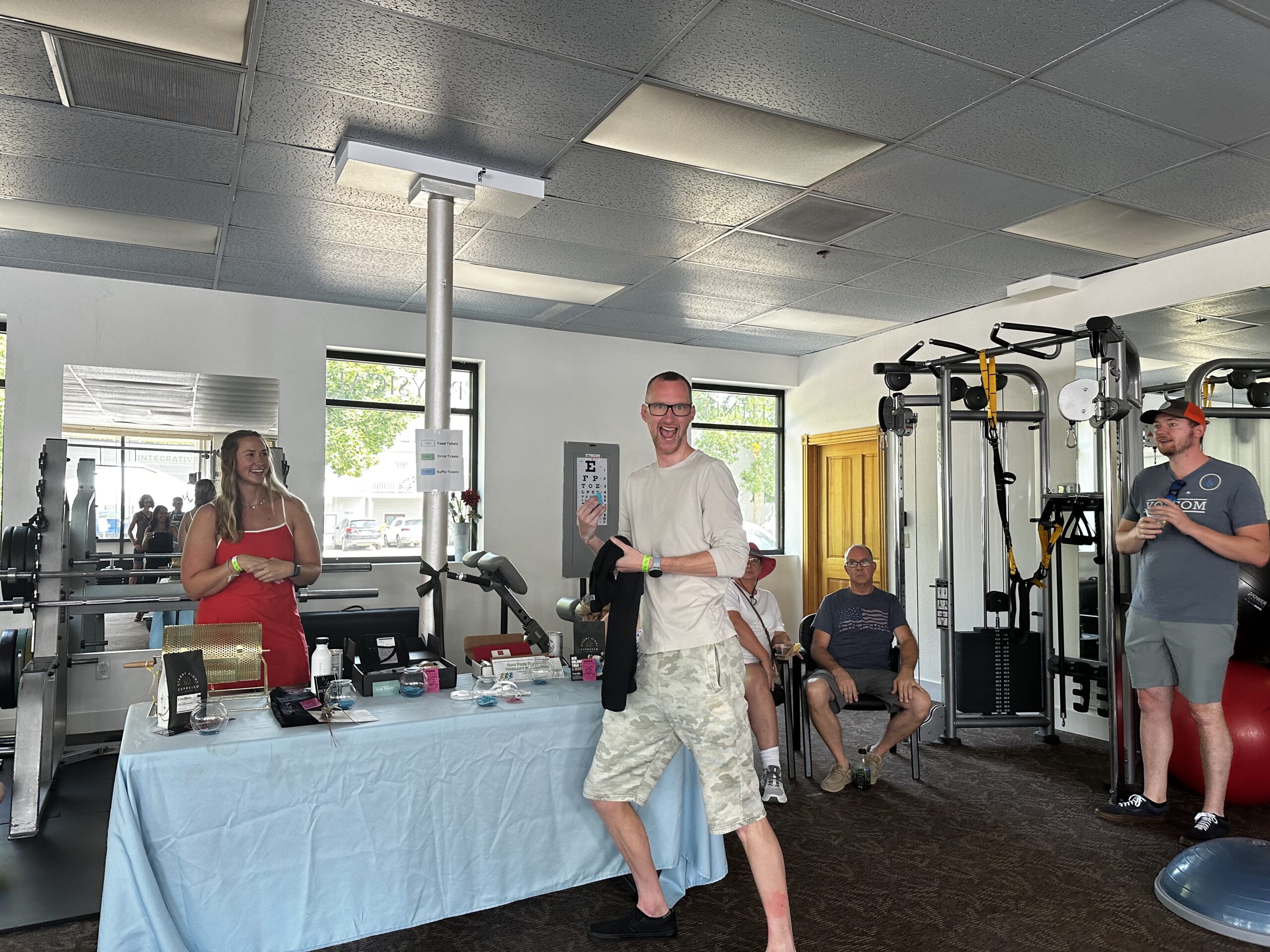
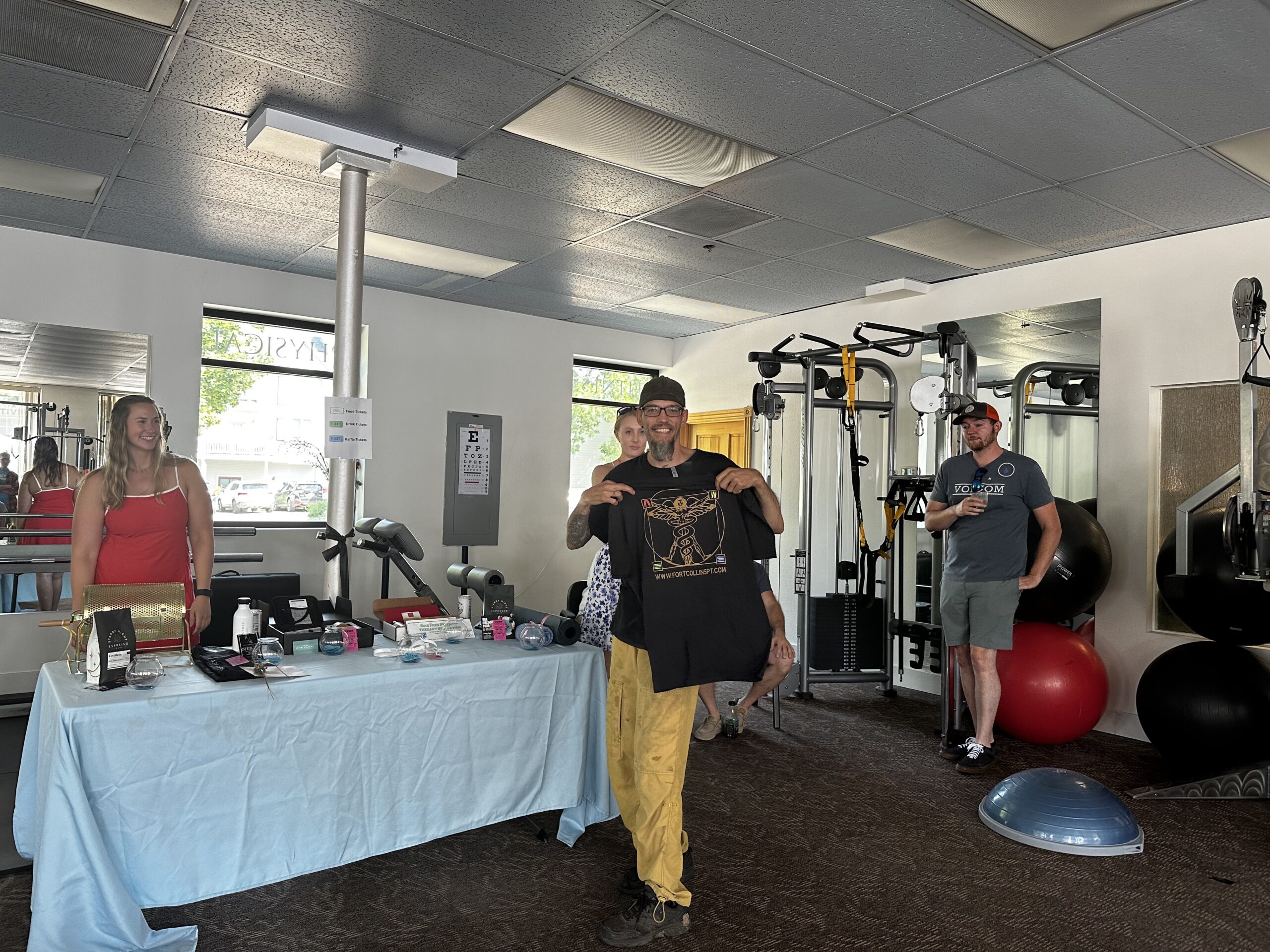
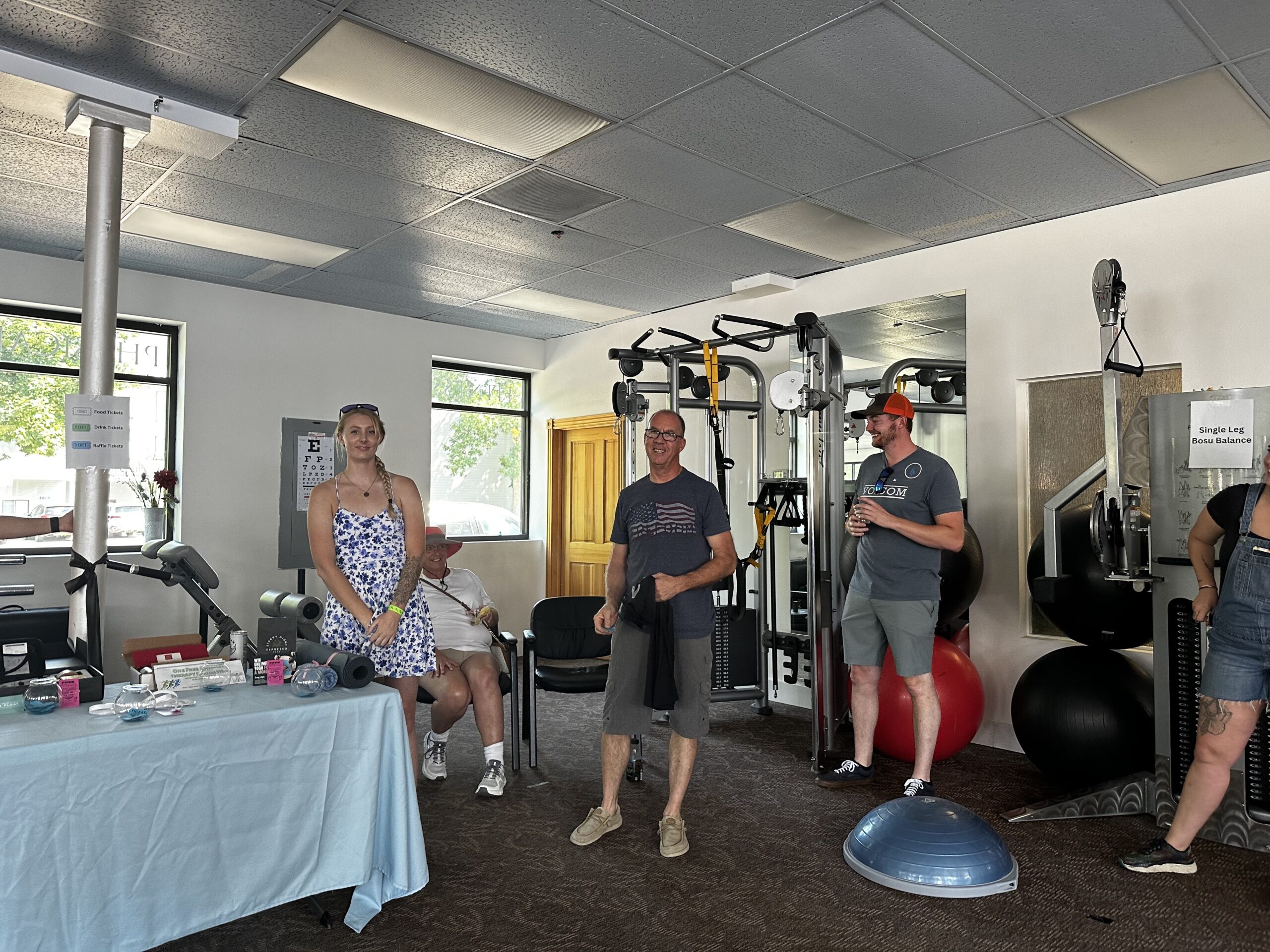
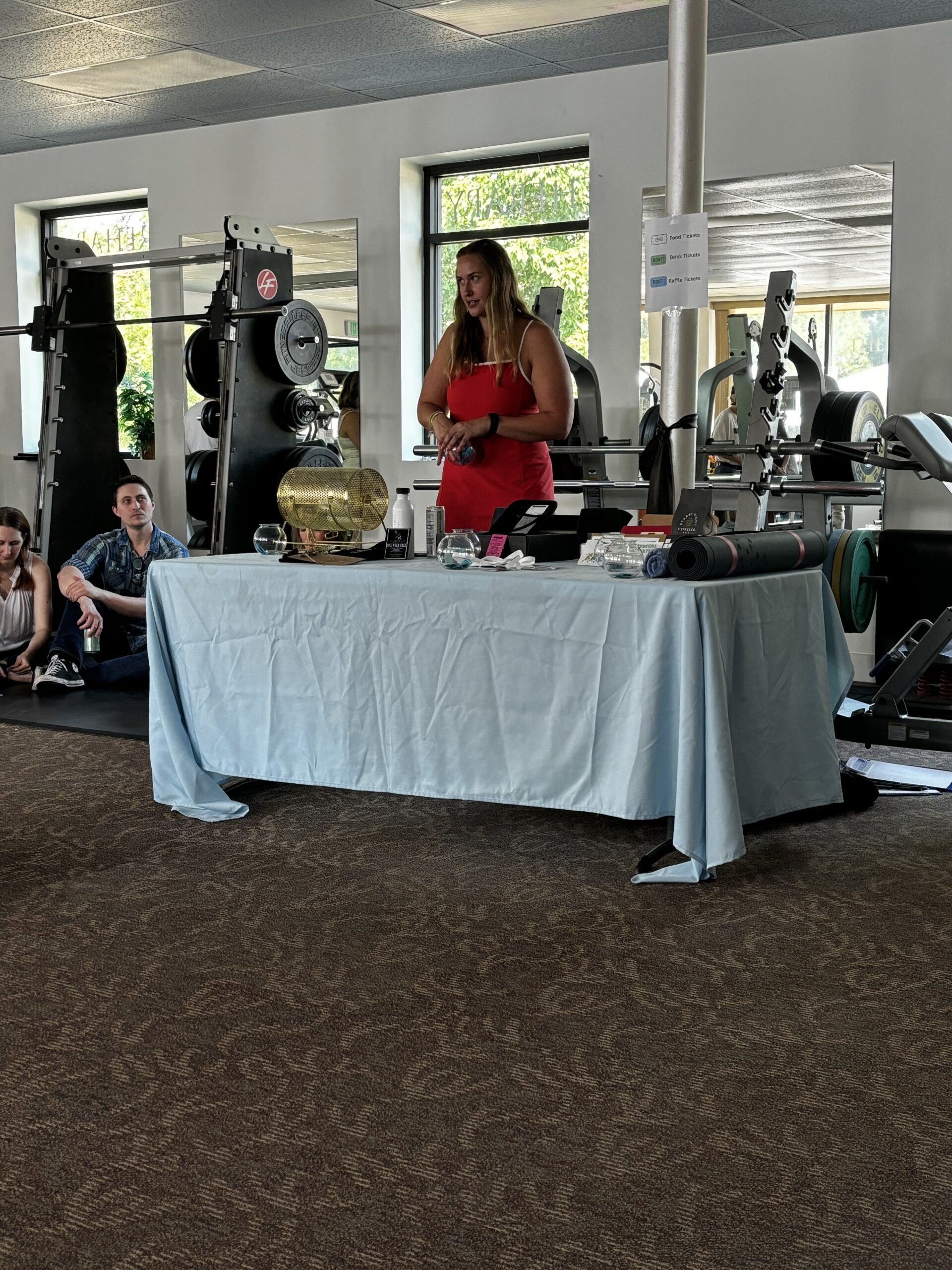
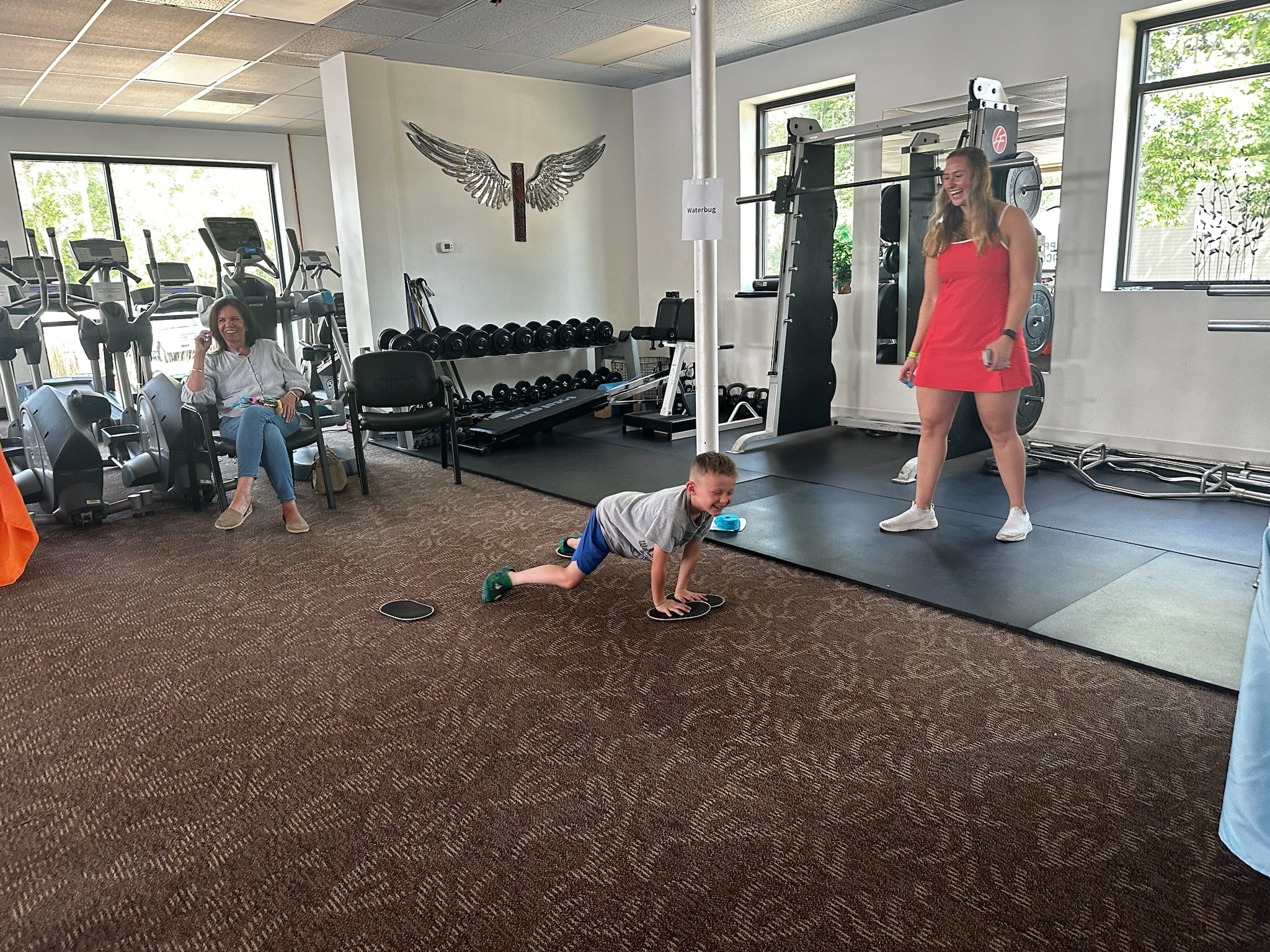
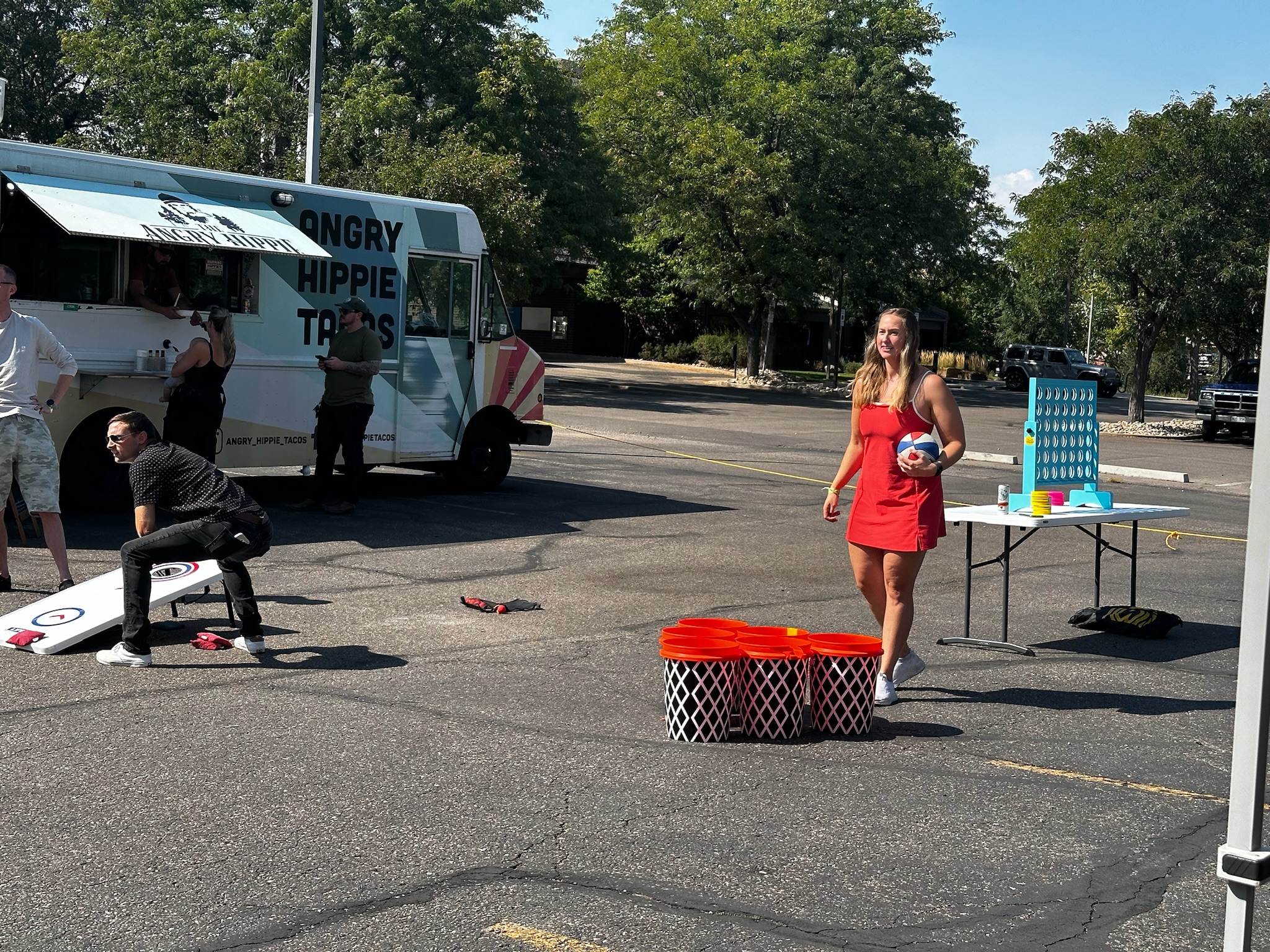
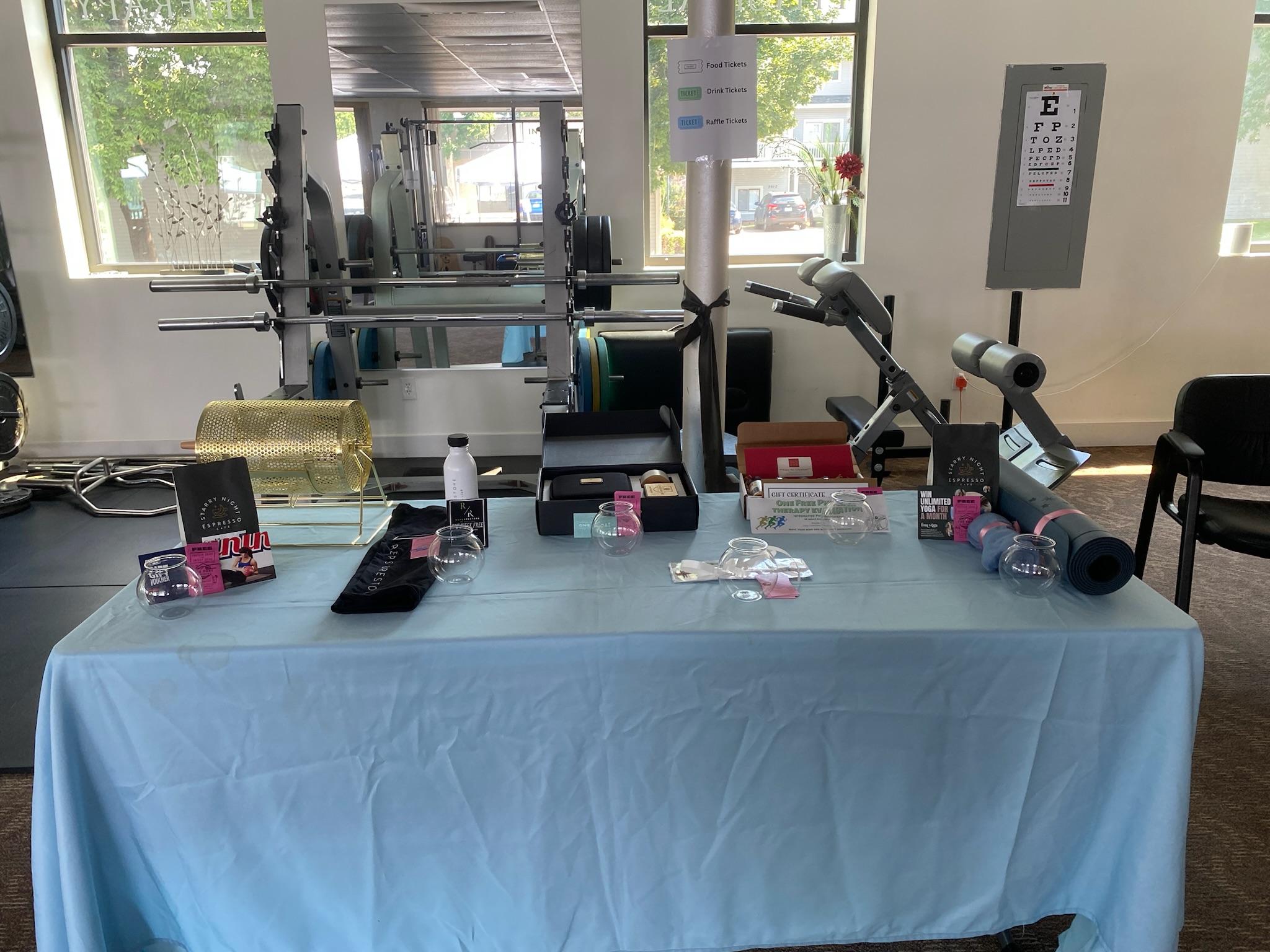
We recently celebrated 15 years of business. What a milestone! Your team at IP is proud and honored to be apart of the health community in Northern Colorado for over a decade…and we couldn’t have done it without YOU!  To show our appreciation, we opened our doors and put our party pants on. There was tacos, yard games, a popcorn machine, IP challenges, prizes and Dr. Ian’s goats!
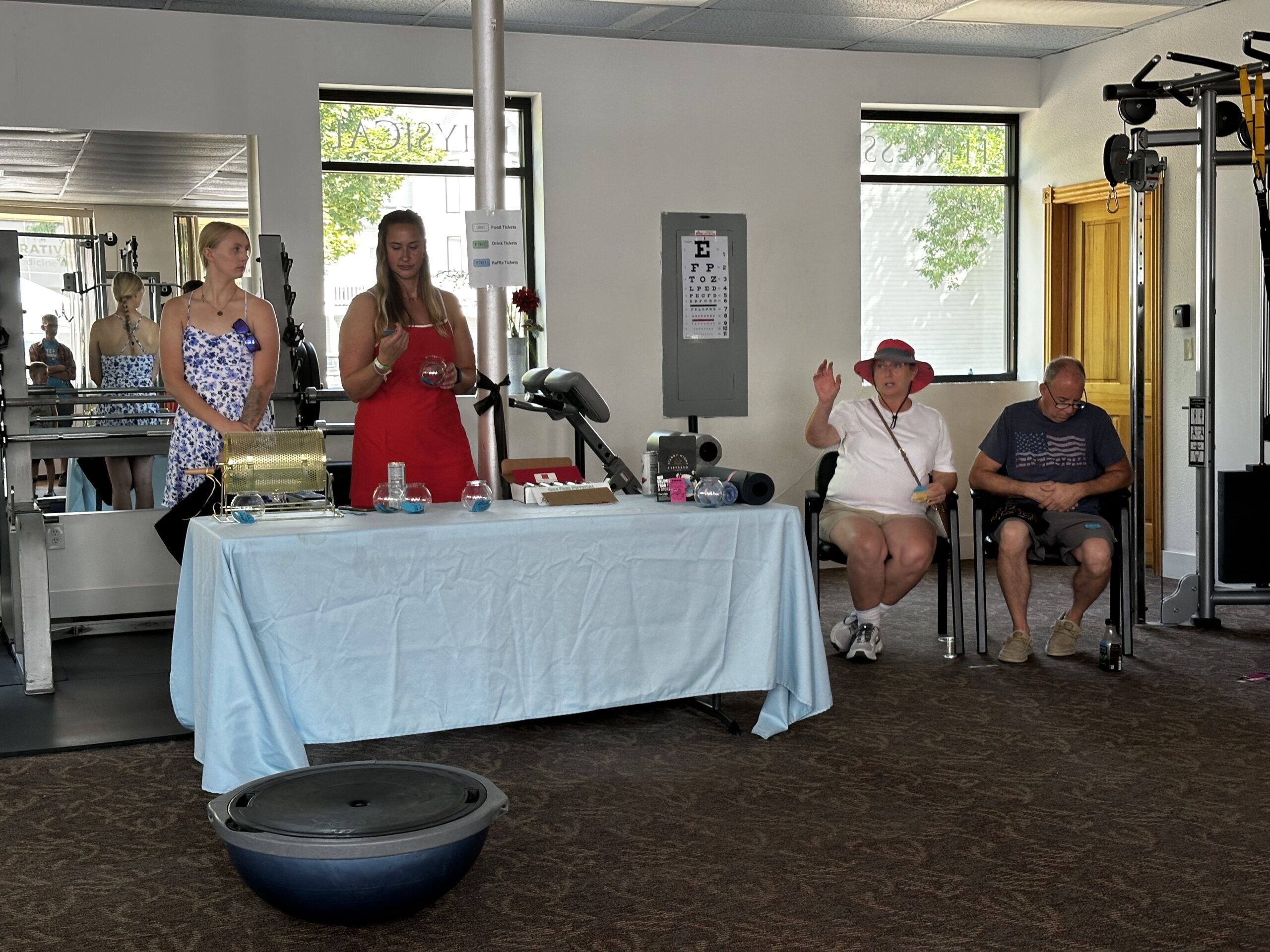


We are grateful for our community and the ability to help so many on the path to recovery and healing. Thank you for your trusting us with your care, your journey and allowing us to be a part of your stories. Your successes are our greatest rewards.

We look forward to the future with optimism, will continue to embrace innovation, expand our reach and continually uphold a standard of excellence. Cheers to 15 years of healing and cheers to the future of IP!

Celebrating 15 Years of IP2024-09-16T19:06:46+00:00

From Couch to Course

2024-08-01T16:55:31+00:00

So, you’ve decided to trade in your slippers for sneakers, but now you find yourself wondering where to start? How to prevent injuries? How to make it enjoyable? Truth is, all you need is a pair of shoes and a little encouragement to get you out the door.

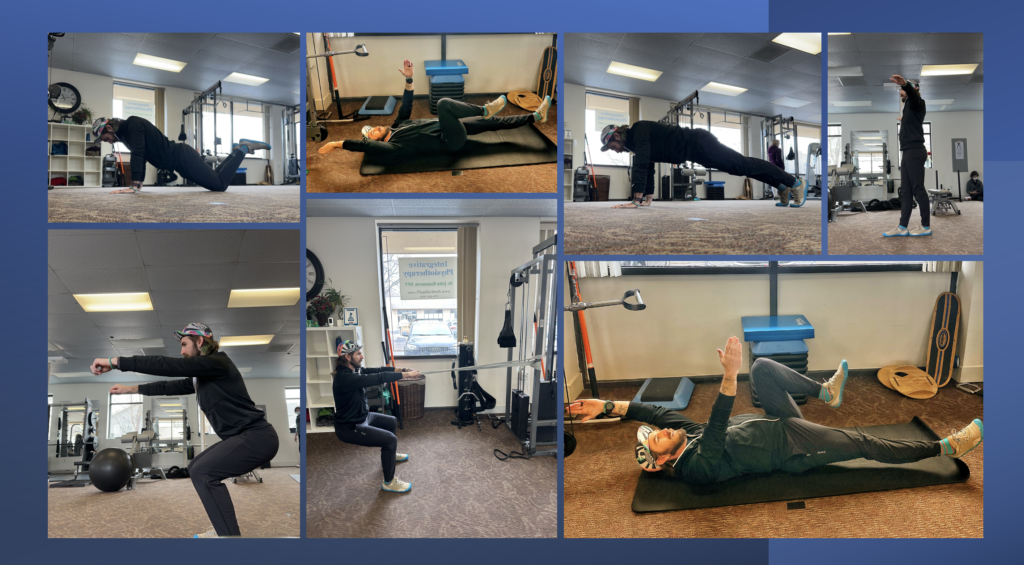
As many of you know, one of our therapists, Case, is an ultra-marathon runner. What is an ultra-marathon runner you may ask? It’s someone crazy enough to run distances longer than a marathon, races that are 50k, 50 miles and even 100 miles long! For Case, running is habitual now, but he had to start somewhere too. His biggest piece of advice for new runners? Try the run/walk interval method.

Start off with a one-minute walk and follow it with a one-minute run. Repeat this off and on for 20-30 minutes, or for 1 mile. Once you’ve got the hang of that, for your next run, increase your run time by a minute, but keep the walking intervals at 1 minute. Continue this pattern while keeping your run time the same. This style of training will improve your endurance and help your body adjust to the new stressors running puts on your body.

Case says the hardest part when you start running is finding a pace that you can sustain for an extended period. You want this pace to be moderate, not a full out sprint. You don’t want to be huffing and puffing, but instead, should be able to hold a conversation. The best way to find this pace is this run/walk method.

The key to improving in running is consistency. Keep showing up, and you’ll be crushing a 5k in no time!

If you are interested in training for a race or just starting to run, talk to Case at your next appointment about techniques, injury prevention and a beginner’s training plan!

From Couch to Course2024-08-01T16:55:31+00:00

Taste the Rainbow to a Healthier You

2024-04-18T17:39:09+00:00

Looking to add some color to your meals?  Try tasting the rainbow.  Not skittles, silly! Colorful fruits and vegetables provide rich nutrients that help improve mood, cognition, sleep, and protect you against illness.
You should aim to get 4 servings of vegetables and 5 servings of fruit per day. You can create variety with soups, smoothies, muffins, roasted veggies, etc. The more color on your plate, the better! But what is a serving?

For Fruits:

  • 1 medium fruit
  • ½ cup of fresh, frozen, or canned fruit
  • ¼ cup dried fruit
  • ¼ cup fruit juice

For Vegetables:

  • 1 cup of raw leafy vegetables
  • ½ cup of fresh, frozen, or canned vegetables
  • ½ cup of vegetable juice

It’s important to eat the recommended number of servings, but it’s also important to get a variety of fruits and vegetables! Each color of the fruit and veggies provides different important nutrients, like antioxidants. What are antioxidants? They are natural substances that help prevent or delay some types of cell damage.

Green: Rich in cancer-blocking chemicals; help balance hormones and mood
Red: High in an antioxidant that protects against prostate cancer, heart disease, and lung disease
Yellow orange: Contains antioxidants  such as beta-carotene that improve your cardiovascular system
Blue Purple: Contain antioxidants such as anthocyanins that help your heart by reducing the formation of blood clots
White: Contain antioxidants such as quercetin that aid in lung health; onions also provide anti-bacterial/anti-viral properties

Check out our suggestions on how to eat a rainbow with every meal!

Taste the Rainbow to a Healthier You2024-04-18T17:39:09+00:00

Snack Time? Snack on Some Movement!

2024-02-09T21:38:52+00:00

Everyone loves snacks. They’re quick, easy to access, and can be downright satisfying. The team at IP always loves a good snack… but not all snacks are created equal. When the weather is cold and midnight seems to come at 5 in the evening, it can be easy to reach for the snacks we have lying around while we wait to see the sun again.

Did you know movement can come in snack sizes too?? Movement snacks can be a great way to break up long periods of sitting; long days at the computer, passing the time while you wait watch your favorite team play, or while you wait for the credits of your favorite show to end before the next episode starts.

We know movement is good for us. It nourishes our joints, it gets our hearts pumping, and it helps us to generally just feel better. Movement snacks don’t need to complicated. In fact, the simpler the better! Accessibility is all part of the equation. We know it’s hard to get moving sometimes, especially if you’re feeling stiff and achey, or just tired.

Things like:

• Air squats
• Planks
• Tandem walking
• Standing on one leg as long as you can
• Jumping jacks
• OR if you’ve been keeping up with our New Years Challenge- a water skier squat!

You can keep it simple, or you can go a little more complex with things like:
• Rotating lateral lunge for some rotational movement
• Dead bugs to get some core engagement
• Or bear crawls for strength and stability.

So the next time you need something to break up some monotony in your day, try a movement snack! And while you’re at it, snap a picture and tag us in it on Instagram. We’ll be rooting for you the whole way!

Snack Time? Snack on Some Movement!2024-02-09T21:38:52+00:00

Resolve to Refresh and Rejuvinate with Movement in the New Year

2023-12-20T16:02:58+00:00

With the new year approaching, many of us are setting goals for personal and professional growth.  While working to achieve these goals, it’s important that we remember to prioritize the our bodies, the machines that keep our lives running!  Physical therapy can play an essential role in strengthening our resolutions for a healthier, active lifestyle. This new year, let’s not let our injuries limit us from achieving our health and wellness goals. Check out some ways that physical therapy can be beneficial for you when working to become your healthiest ‘elf’!

  • Say goodbye to chronic pain!

So many of us have gotten used to chronic pain and pushed it off as something that we just ‘have to deal with’.  Our physiotherapists can identify where the pain is coming from and develop a plan of care to help address your discomfort. 

  • Prevent injuries, before they are injuries!

Whether you’re new to working out or have an extremely active lifestyle, everyone has things they can improve on. Addressing our weaknesses and possible incorrect movement patterns can help reduce the risk of future injuries.

  • Move for Mobility!

Improving your flexibility and joint function will help you move with ease. Increasing your range of motion will allow you to move freely and have fewer limitations when working on your health goals. 

  • Set realistic, ACHIEVABLE goals

Striving to improve your health is a lifelong quest. Working with a professional can help you set goals that are achievable. It’s easy to get in over your head when working towards a goal, but by setting smaller achievable goals will make your hard work more productive. 

  • Mindful resolutions

Incorporating mindfulness can help with stress reduction and keep your mind right. Intentional movement will help you not only prioritize your physical health, but also prioritize your overall wellbeing.

Your team at I.P. is here to support your 2024 health goals and keep you moving to your best self.  Call us to schedule your 2024 appointments if you haven’t already!

Resolve to Refresh and Rejuvinate with Movement in the New Year2023-12-20T16:02:58+00:00
Go to Top